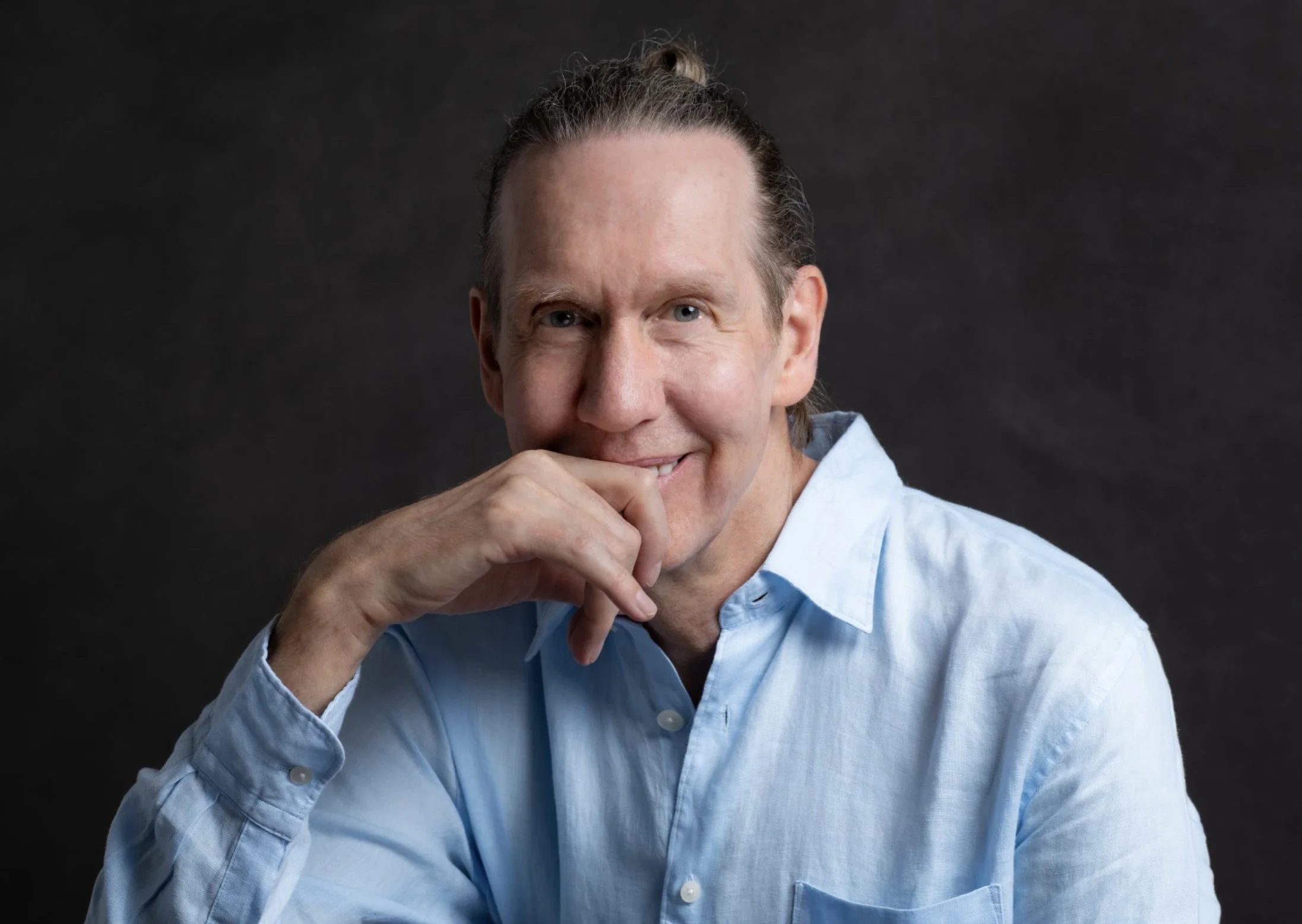
ABOUT ME
I bring to the emerging field of meditation and psychedelics over 20 years of practice in Tibetan Buddhism’s Dzogchen tradition, alongside a research scientist’s analytical rigor. As a founding member of Psychedelic Sangha, I teach, organize conferences, and host a speaker series at the intersection of Buddhism and psychedelics.
I began practicing meditation because I heard it could lower my blood pressure. When I walked into the Shambhala Center in New York City in 2002, I unexpectedly fell in love with Buddhism—I felt at home with the teachings right away.
Since then, I’ve trained in Dzogchen under Tsoknyi Rinpoche, and this tradition’s teachings on the direct recognition of the nature of mind remain the guiding star of my personal practice. Rinpoche’s warmth and humor showed me that practice can be relaxed and playful, and that ease is an important part of Buddhism.
I’ve also studied teachings on emptiness with the nondual teacher Greg Goode. Emptiness is a liberating lens through which to interpret experiences, identities, and beliefs.
In 2019, I began incorporating psychedelics into my therapeutic and spiritual path. From ketamine sessions at a clinic near my home in New York City to a fourteen-day ayahuasca retreat in Costa Rica and much more, psychedelic journeying has become an important part of my life and practice.
I’ve come to believe that psychedelics can be valuable from a Buddhist perspective because they offer a direct taste of what Buddhist practice points to: a self that is far more fluid than we thought, and a love that includes everyone. For many people, that taste becomes an inspiration to practice. But so much depends on how we prepare for and integrate the journeys—without that, it’s rare for us to be able to translate peak experiences into embodied wisdom.
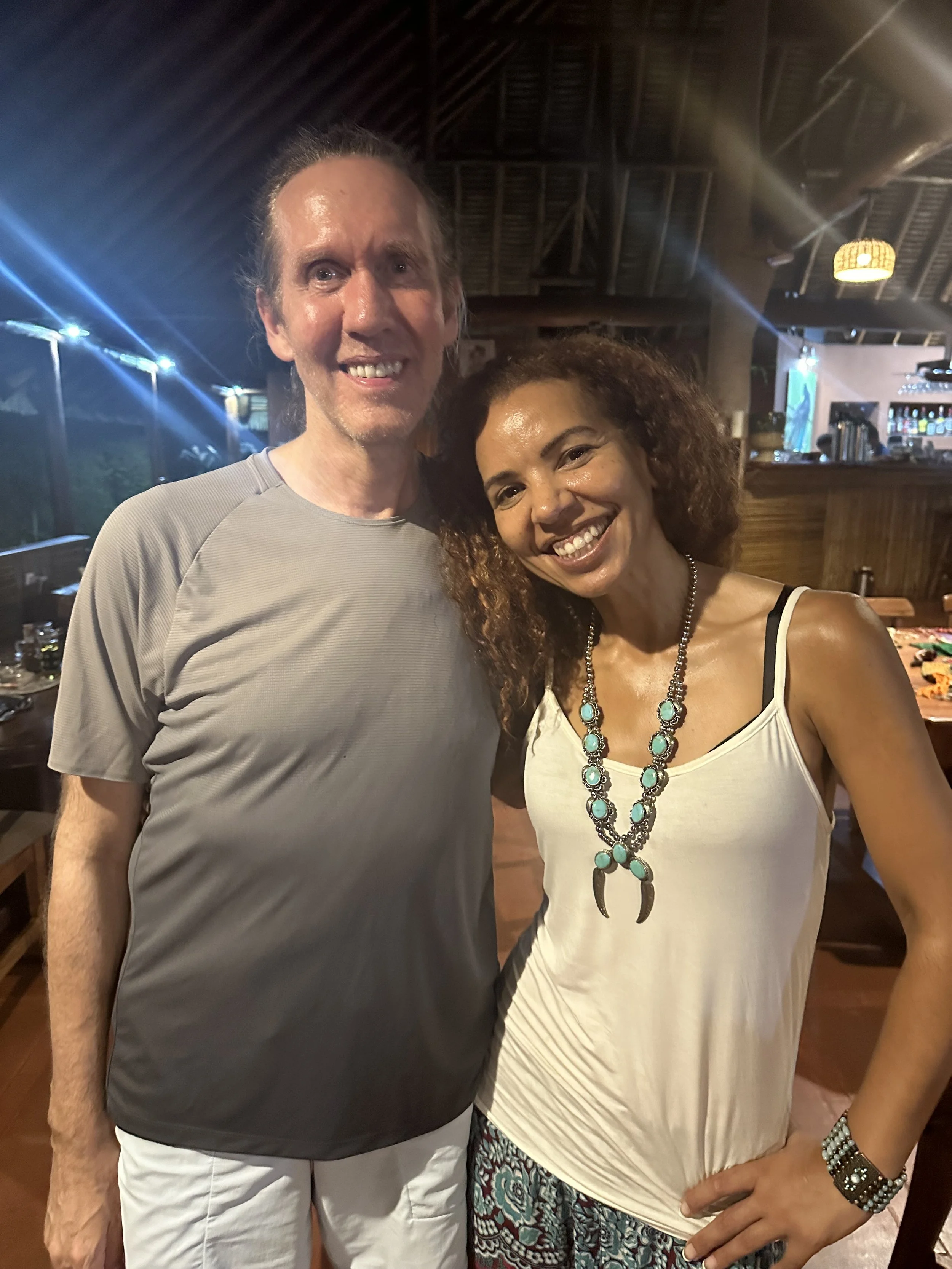
With Spring Washam in Costa Rica, 2023
MY APPROACH
When it comes to psychedelics, safety needs to come first—period. Psychedelic journeys cannot ever be guaranteed as entirely safe. But, as we in the gay community would say about “safer sex” during the AIDS crisis of the 1980s, it’s definitely possible to have “safer” journeying.
Practical guardrails developed by psychedelic communities are known to reduce avoidable harm. I build on those best practices by adding Buddhist-derived contemplative tools. Among those tools, one genre rises to the top: self-compassion and lovingkindness practices.
With weeks of practice beforehand, turning toward yourself with warmth comes naturally when a journey gets difficult. Meditations like “Circle of Care” and “Compassionate Presence to Feelings” build the emotional safety infrastructure for this work, and refuge practices and community serve as protective containers.
The approach up to this point offers a solid foundation to support healing, wellness, and self-exploration.
For those interested in continuing from secular mindfulness to Buddhist philosophy and spirituality, I explore Buddhist teachings that offer maps for navigating non-ordinary states and for distinguishing genuine insight from delusion. Over time, the emphasis shifts from extraordinary states to ongoing realization—learning to rest in awareness and embody freedom in daily life.
As a gay man, I’ve known a lot of joy with others—sometimes on the dance floor—and I love what the queer community offers to the psychedelic scene. Combined with Tsoknyi Rinpoche’s playful, warm example, such joyful experiences leave me with a basic trust that pleasure and celebration can be good for us. So when psychedelics bring joy, I don’t see that as a reason to doubt their place in spiritual practice. It’s one of the things I value about them.
With weeks of practice beforehand, turning toward yourself with warmth comes naturally when a journey gets difficult.
A SCIENTIST’S LENS
I hold a Ph.D. in mathematics and have over 20 years of experience as a research scientist in academic and industrial research—a background that equips me to apply analytical rigor to the emerging psychedelic science. I share the clinical field’s commitment to safety and evidence-informed practice, while adding a contemplative dimension that clinical frameworks alone cannot provide.
My thinking is also deeply influenced by positive psychology, with its focus on human flourishing. In 2010, I organized a workshop with Martin Seligman, a founder of the field, that brought positive psychologists together with computer scientists. In a published book chapter, I introduced the term “positive computing,” which is the idea that technology can be deliberately designed to support wellbeing. I now bring a parallel focus in my current area: How can psychedelics and meditation together help people connect, find purpose, and flourish?
I currently work as a Program Manager in the tech industry, where I run global regulatory compliance programs. In this role, I’ve also developed expertise in creating psychological safety frameworks and delivering trainings on vulnerability and compassion to technical teams. I write from inside the tech community, where spiritual interest, serious meditation practice, and psychedelic use overlap to an unusual degree.
COMMUNITY AND TEACHING
The relationships I’ve formed with teachers, clinicians, and researchers across both the Buddhist and psychedelic worlds have been one of the most delightful developments on this path.
Psychedelic Sangha is an active community of practitioners in New York and beyond, where I lead the speaker series hosting conversations with luminaries in the field. I also co-organized the first public Psychedelic Buddhism Conference, which drew more than 600 attendees.
I’ve taught classes on awakening with psychedelics and delivered workshops on Psychedelic Buddhism, vulnerability, and compassion practices to diverse audiences, including technical professionals.
For my book, I’ve conducted in-depth interviews with teachers, therapists, and practitioners at the intersection of Buddhism and psychedelics, including Robert Thurman, David Germano, Konrad Ryushin Marchaj, Lama Liz Monson, Phil Wolfson, Alex Belser, and Ingmar Gorman, gathering the collective wisdom that informs my writing and teaching.
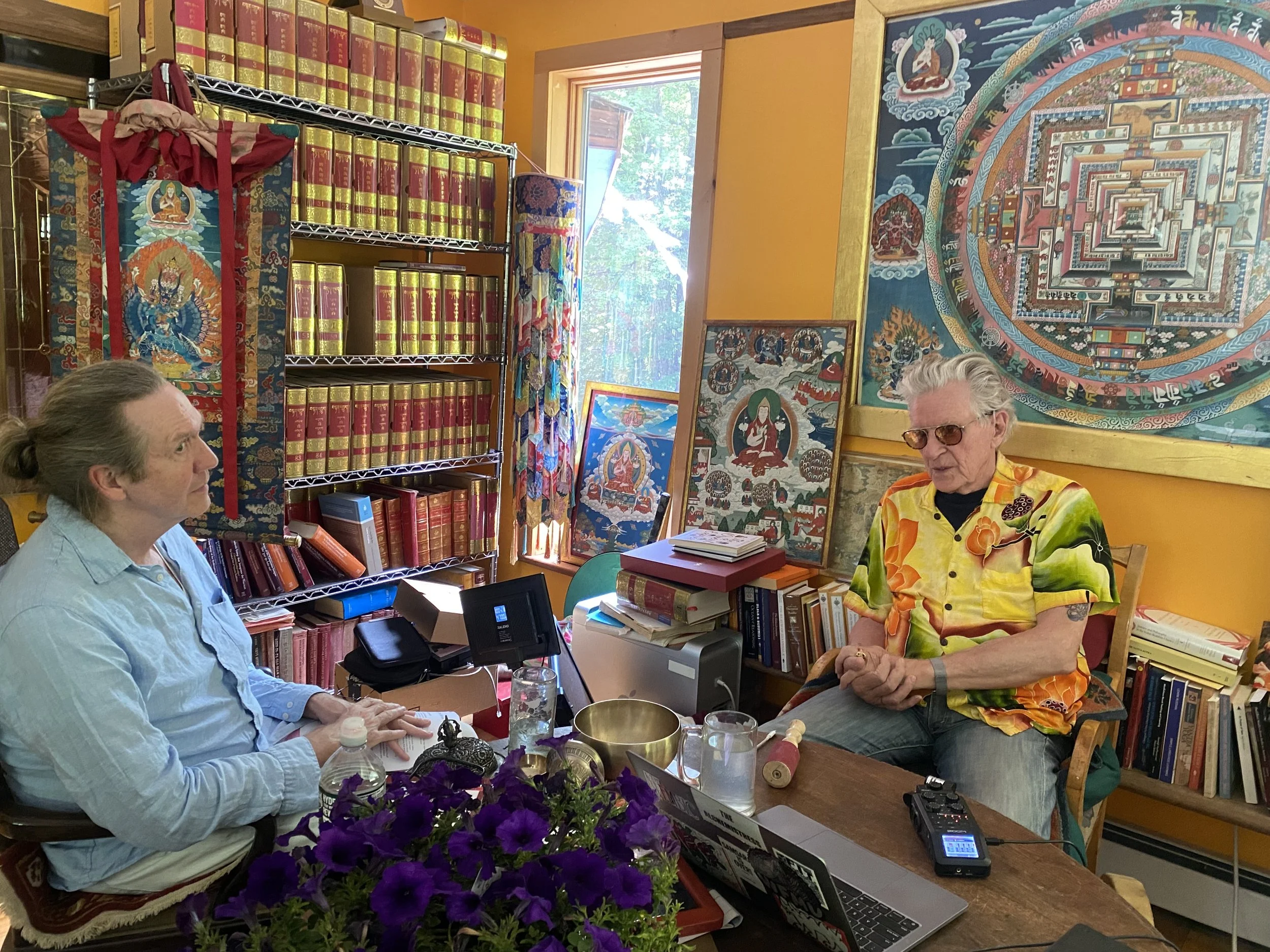
Interviewing Robert Thurman at his home in Woodstock, New York, 2024
BOOKS
I co-authored Emptiness and Joyful Freedom (New Harbinger, 2013) with Greg Goode, a book that uses Western philosophical tools to illuminate Buddhist emptiness teachings. I’m now writing my second book, working title Psychedelic Awakening: A Buddhist Guide to Safe and Vibrant Journeys. It offers a step-by-step path of meditative practices and Buddhist teachings for preparing, navigating, and integrating psychedelic experiences, along with primers on six common psychedelic medicines, and much more.